Back to Basics: Skin Types, Part Two.

Yesterday, in “Back to Basics: Skin Types, Part One,” we talked about two of the four generally-accepted skin types — dry skin and oily skin. Today, we’re going to get into normal skin and combination skin!

Like we said yesterday, remember that skin type is just one factor to consider when it comes to skincare and choosing which products you might want to use — your skin type is one thing in a myriad of many things, like environment, skin concerns, etcetera, when it comes to skincare. Also remember to keep in mind that your skin type can change, so listen to your skin and its needs!

We do think that it can be helpful to know your skin type, though, and understand what each type needs. Skin type is a good place to start in figuring out what kinds of products you should look for. That’s why we thought we’d take some time to revisit the basics and go into each skin type, providing product recommendations and explaining the reason for each. As you read on, you might notice we mention the same few things, though, no matter the skin type — cleanse gently, protect your natural skin barrier, and hydrate, hydrate, hydrate. As you’ll see, that’s not an accident.
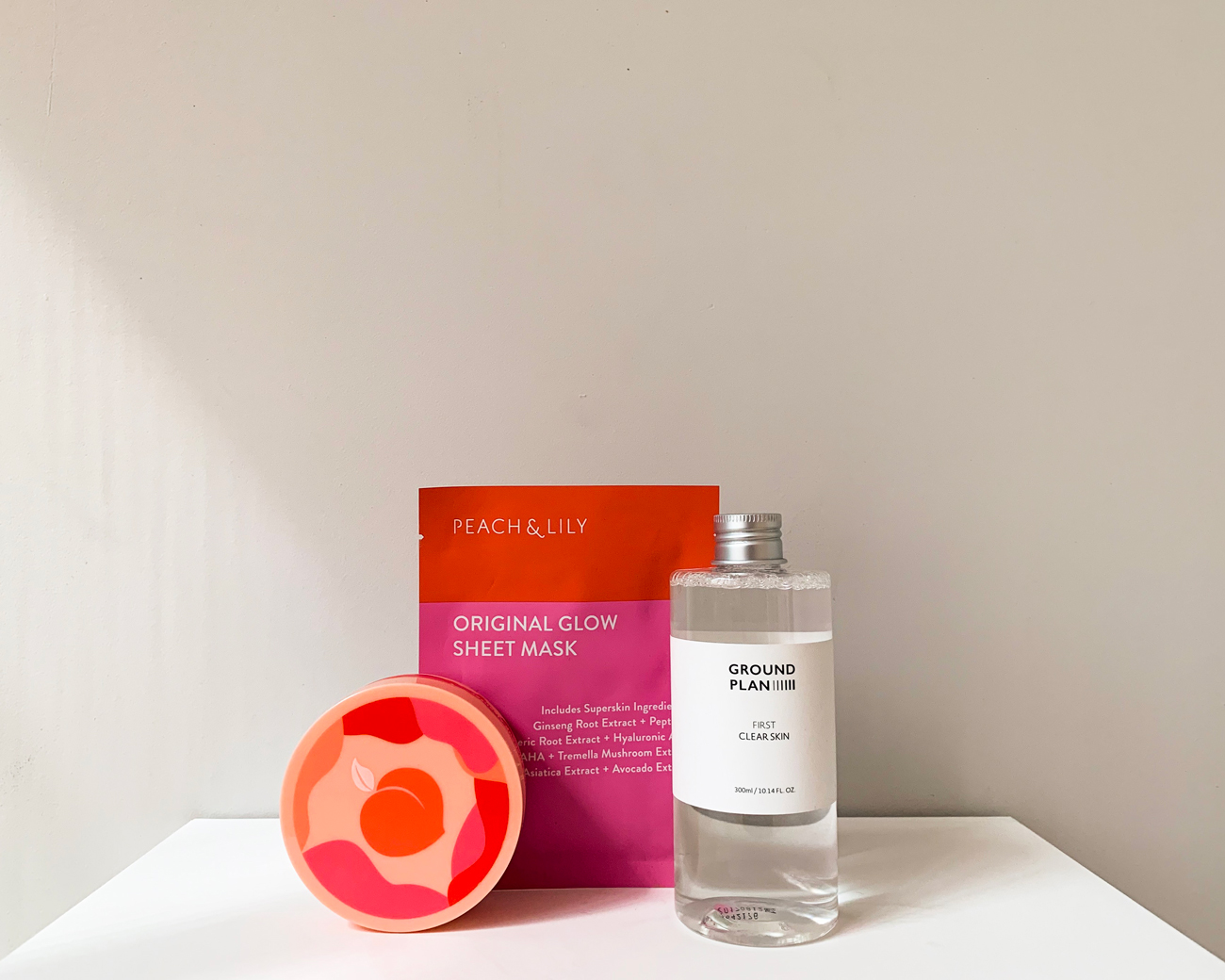
peach slices peach and lily ground plan

NORMAL SKIN

If you have normal skin, you have, well, normal skin. Your skin’s oil/moisture levels are balanced, and you’re not prone to breakouts or sensitivity. Congratulations.

However! Just because you have normal skin doesn’t mean you don’t need to take care of your skin. Normal skin is still prone to hyperpigmentation, and normal skin also shows visible signs of aging — and neglecting skincare can actually potentially accelerate those visible signs of aging. Caring for normal skin might take more the approach of maintaining skin, though, as well as prevention.
peach slices

Products We Recommend:

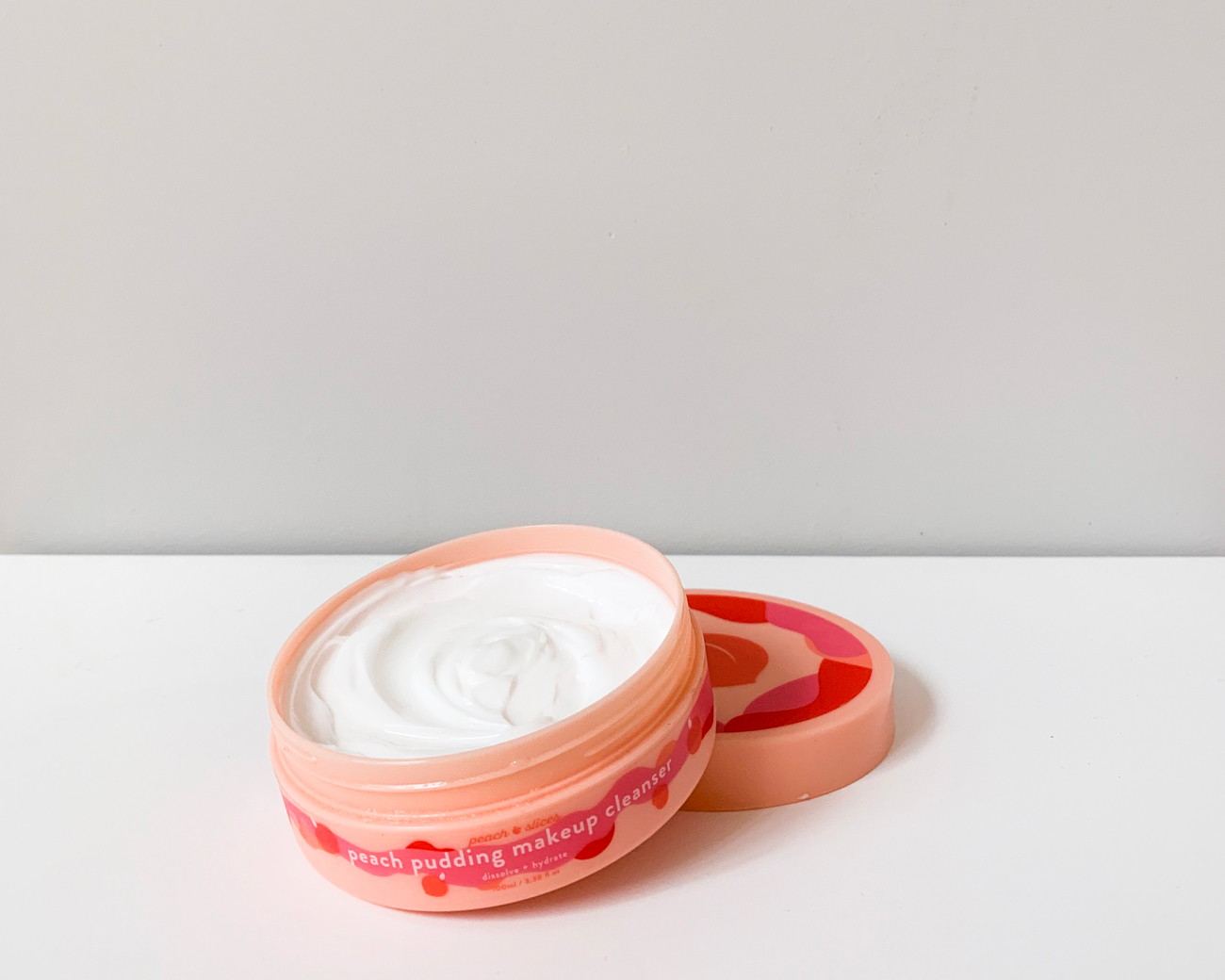
Peach Slices, Peach Pudding Makeup Remover

Normal skin should still double cleanse! Double-cleansing is a gentle way to cleanse deep into pores without stripping skin dry or disrupting the natural skin barrier, and maintaining the health of your natural skin barrier is one key way of maintaining overall skin health. The Peach Slices Peach Pudding Makeup Cleanser is a gentle first step, oil-based cleanser with a really special texture; it’s not a balm or a thick cream or an oil. Rather, it’s this soft pudding cream that melts away makeup and other oil-based impurities, leaving skin soft, supple, and clean.

Ground Plan, First Clear Skin

Cleansing can throw off the pH level of your skin, and toning helps balance it after cleansing. The pH level of your skin is important because of something called the acid mantle, which sits above your natural skin barrier (also known as the lipid barrier). The acid mantle is made up of secretions from our sweat glands (amino acids and lactic acids) and sebaceous glands (oils), and it helps protect our skin by fighting off bad bacteria and nurturing good bacteria. Our skin thrives when its pH level is slightly acidic (4.5 to 5.5 being the sweet range), but cleansing can often make skin, even normal skin, too alkaline or too acidic, which can ultimately harm skin. A toner/essence like Ground Plan’s First Clear Skin helps balance skin after cleansing, while also hydrating, soothing, and even providing light exfoliation thanks to wintergreen extract.

Peach & Lily, Original Glow Sheet Mask

Normal skin types can also benefit from regular sheet masking, and the Peach & Lily Original Glow Sheet Mask is a great way to give normal skin a boost. Packed with botanicals, peptides, and antioxidants, the Original Glow sheet mask helps hydrate, plump, and nourish skin, while a small amount of AHA provides gentle exfoliation. The Original Glow won’t leave your face feeling sticky or tacky after use, and the sheet adheres well to skin, so you can apply your sheet mask and go about your day as your face soaks in all the goodness. Remember to remove your sheet mask before it dries completely, though; when the sheet is dry, reverse osmosis occurs, the dry mask pulling hydration from your skin.
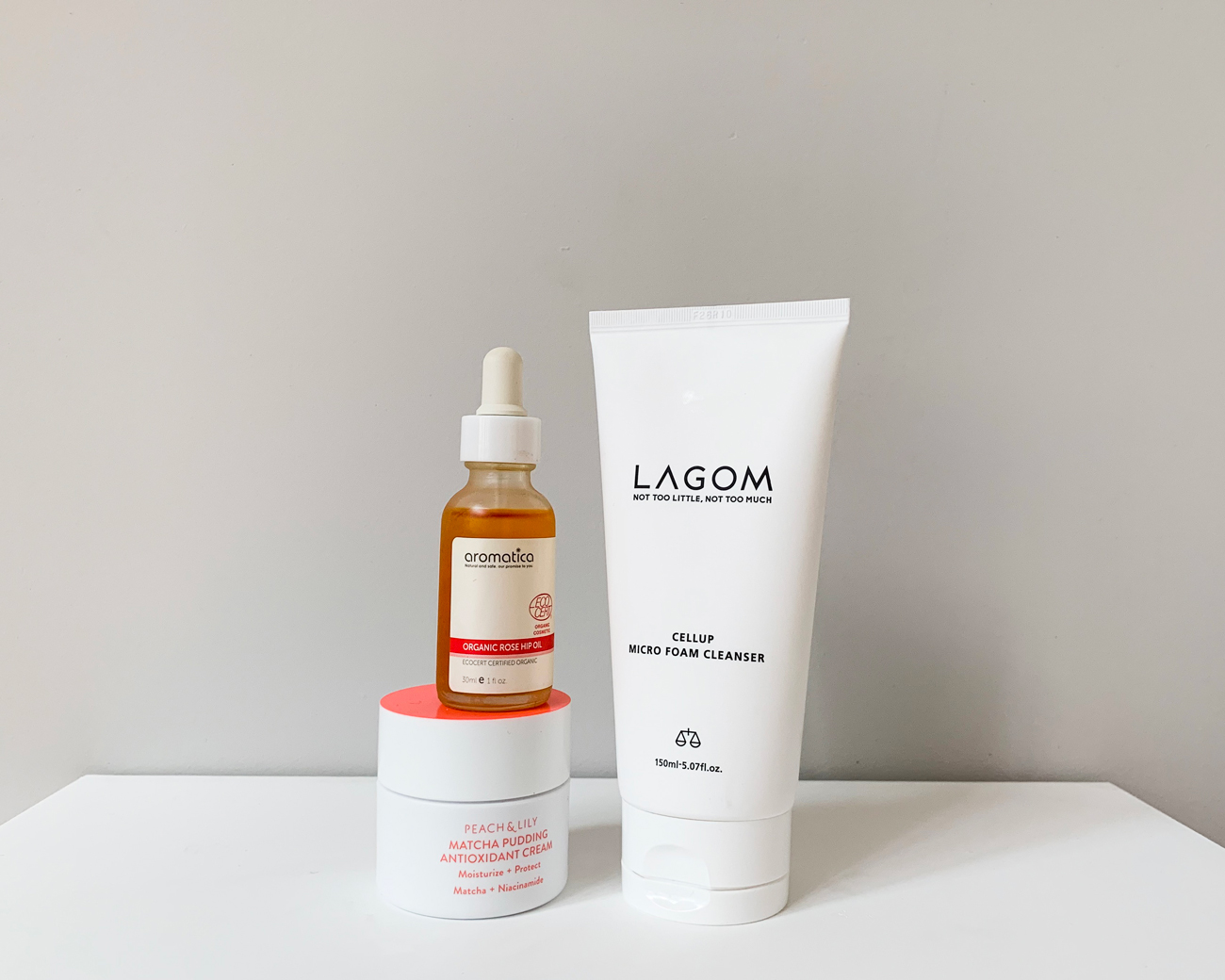
lagom aromatica peach and lily

COMBINATION SKIN

Combination skin is the tricky half-sibling to all the other skin types, and, if you have combination skin, you might have an oily T-zone and dry skin elsewhere, like on your cheeks and around your mouth. Or you might have dry patches around your cheeks but have a normal T-zone. Or you might have normal skin everywhere except for your T-zone, which might be dry. Basically, combination skin is a combination of any of the other skin types, and it also means that your skin type might change frequently — some days, your skin will feel more oily, and, other days, it will feel more dry, partly as a reaction to the climate or season you’re in.

Whatever the combination, hydrating skin is key. Combination skin can actually be a sign of imbalance and/or dehydration, so combination skin types can benefit from layering on hydration and caring for their natural skin barrier. Make sure not to strip your skin dry and avoid harsh products; opt for gentle, nourishing products that help bring your skin back to equilibrium.
peach and lily matcha

Products We Recommend:

Lagom, Cellup Micro Foam Cleanser

Gentle cleansing is, no surprise, an important part of caring for combination skin. Stripping skin dry and removing all the natural oils from skin can cause combination skin as skin then overproduces oil in spots and underproduces in others. By keeping cleansing gentle but thorough, you can help skin regain balance, so skin can thrive. For combination skin, we like the Lagom Cellup Micro Foam Cleanser — it lathers into a soft foam with dense micro-bubbles that sweep away impurities and grime while Dermaflux technology helps deliver moisture into skin. Sulfate-free with no added synthetic fragrance, the Cellup Micro Foam Cleanser instead contains several beneficial oils that help cleanse deep into pores without stripping skin dry.

Aromatica, Organic Rose Hip Oil

Extracted from the seeds left behind after roses drop their petals, rosehip oil is rich in antioxidants, vitamins, lipids, and fatty acids, all good things that can do wonders for skin. Rosehip oil helps protect and maintain your natural skin barrier, and it also helps even tone, brighten, and moisturize. The Organic Rose Hip Oil from Aromatica is ECOCERT certified and approved by the USDA, and it’s 100% rosehip oil that’s been cold-pressed to ensure that the oil is of high quality. And, yes, that orange color is 100% natural.

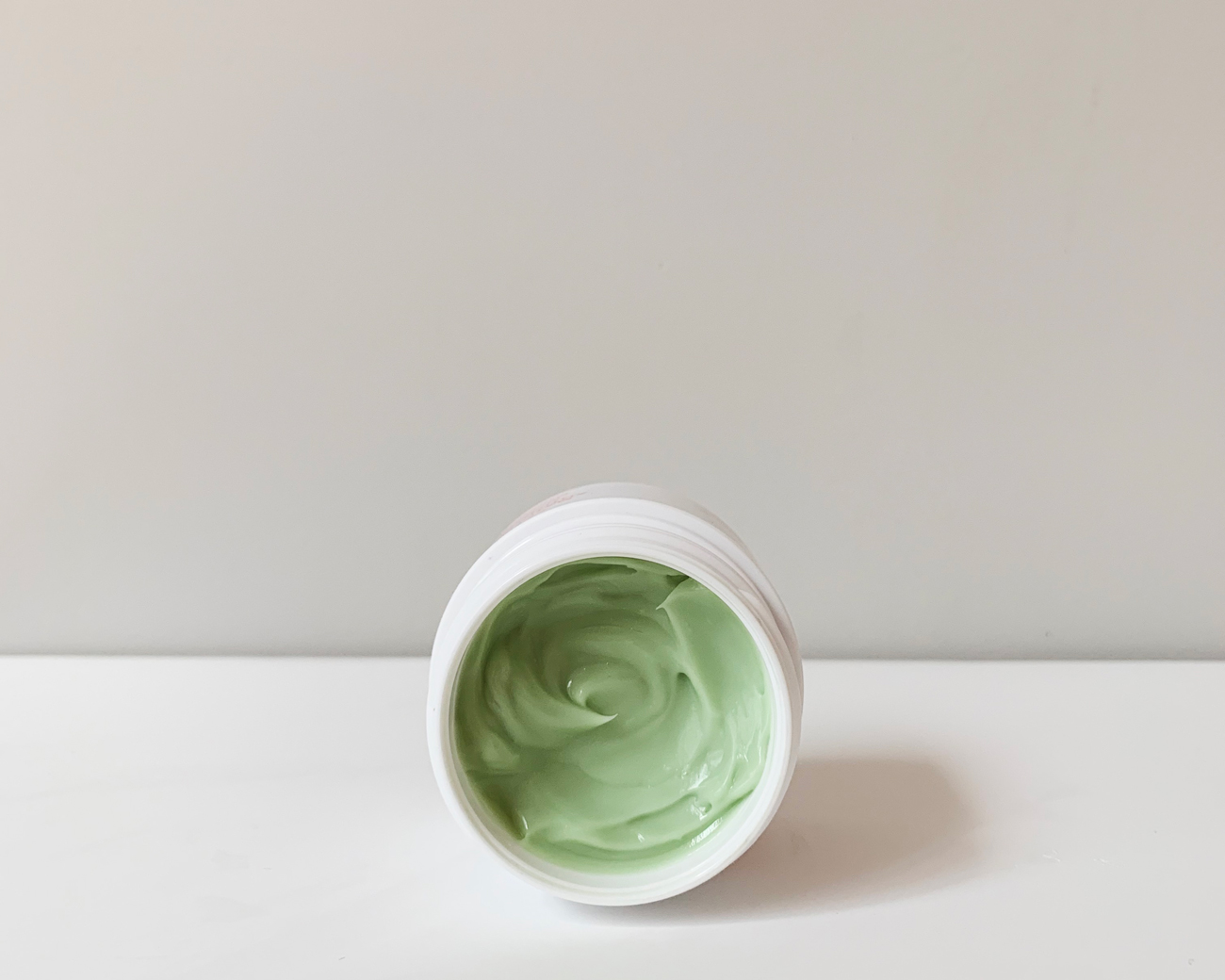
Peach & Lily, Matcha Pudding Antioxidant Cream

Combination skin might generally want to avoid heavier moisturizers, unless you have combination skin that veers more towards dry skin than oily or, even, normal. One of the things we love about the Peach & Lily Matcha Pudding Antioxidant Cream is its delightful, bouncy, pudding-like texture that absorbs quickly into skin and leaves it feeling dewy but matte, hydrated but not heavy. The Matcha Pudding Antioxidant Cream is also full of, well, matcha, which is an incredible source of antioxidants, which help fight off free radical damage.

And those are your four generally-accepted skin types! What other basics of skincare would you love to see us cover?

The post Back to Basics: Skin Types, Part Two. appeared first on Pibuu.

Back to Basics: Skin Types, Part Two.
Originally posted here: https://www.pibuu.co/2019/05/14/back-basics-skin-types-part-two/

#DermsHolyGrail: Featuring Dr. Kellie Reed

Dr. Kellie Reed

Name: Kellie Reed, MD Practice setting and job title: Dermatologist in private practice Fitzpatrick skin type: Type III Oily vs. Dry vs. Combination skin: combination Disclaimer: I love trying various products, so any of the below may change, but this is a snapshot of a typical day!   AM Regimen: Cleanser: @eltamdskincare Foaming Facial Cleanser […] Read more…

The post #DermsHolyGrail: Featuring Dr. Kellie Reed appeared first on Tea with MD – your guide to health and beauty.

#DermsHolyGrail: Featuring Dr. Kellie Reed
Originally posted here: http://www.teawithmd.com/2019/05/dermsholygrail-featuring-dr-kellie-reed/

The Brightening Moisturizer That Made Me Break My “No Jars” Rule

sunday riley tidal brightening enzyme water creamsunday riley tidal brightening enzyme water cream

Why do you come in a jar?!

You’ve guessed it. I’m not a fan of this type of packaging. It looks pretty, but it ain’t hygienic. Plus, some ingredients stop working when exposed to light and air – i.e. when you unscrew the lid.

Usually, I err on the side of caution and leave anything in jars on the shelf. But Sunday Riley Tidal Brightening Enzyme Water Cream is SO good, it’s the exception that proves the rule.

Here’s how it made me break my “no jars” rule:

Key Ingredients In Sunday Riley Tidal Brightening Enzyme Water Cream

Hyaluronic Acid To Hydrate Skin

Hyaluronic acid is a moisture magnet on steroids. Literally. Like a magnet, it attracts the droplets of water in the air and dumps them into your skin, binding them there. It’s so powerful, it can hold up to 1000 times its weight in water!

All that moisture gives your skin an instant plumping effect that makes your fine lines and wrinkles look way smaller. It brightens your skin with that translucent, glass-like glow Korean women are famous for. And it makes your skin so soft to the touch.

Sunday Riley Tidal Brightening Enzyme Water Cream uses two forms of hyaluronic acid: Sodium Hyaluronate Crosspolymer and Hydrolyzed Hyaluronic Acid.

That’s a double waterfall of moisture! It doesn’t get more hydrating than this.

Alpha-Arbutin To Brighten Skin

Hydration ain’t the only brightening trick Sunday Riley Tidal Brightening Enzyme Water Cream pulls on your skin. This moisturizer has 1% alpha-arbutin, a powerful skin lightener.

Like most skin-lighteners out there, alpha-arbutin works by inhibiting tyrosine, the enzyme responsible for producing melanin (the pigment that gives your skin its colour).

In case you’re wondering, alpha-arbutin works even at 1% concentrations. In fact, 1% alpha-arbutin works better than 4% kojic acid.

P.S. If you have dark skin, consult your doctor before adding alpha-arbutin to your skincare routine. It belongs to the hydroquinone family, which can cause side effects in dark skin.

Related: Why You Should Add Hyaluronic Acid To Your Skincare Routine, No Matter Your Skin Type

Papain To Exfoliate Skin

Papain is the enzyme in Sunday Riley Tidal Brightening Enzyme Water Cream. Derived from papaya, this enzyme literally eats away dead skin cells.

It works sort of like a chemical exfoliant: it gets rid of old skin cells to expose the brighter, softer and smoother skin underneath. It fades away rough patches of skin and gives you your glow back.

Papain is gentler than chemical exfoliants (glycolic acid & co). It’s also more unstable. Putting it in a jar wasn’t the smartest idea.

Related: The Complete Guide To Enzyme Exfoliants: What They Are, What They Does & How To Use Them

Antioxidants To Fight Premature Wrinkles

Sunday Riley Tidal Brightening Enzyme Water Cream has its fair share of antioxidants, like tamarind and cucumbers.

Antioxidants are your skin’s police force. They patrol your body looking for free radicals, the nasty molecules that destroy collagen, elastin and cellular DNA. All that damage inevitable leads to wrinkles and dark spots.

When antioxidants spot a free radical, they jump on it and neutralise it before it can wreak its havoc. Problem is, antioxidants don’t react well to light and air. As soon as you open the jar, they start to lose their effectiveness.

Let’s be clear: antioxidants don’t become useless the second you open the jar. It’s prolonged exposure to light and air that does the damage. As long as you use the cream every day and are careful to close that jar quickly, you’ll be fine.

But if you’re the type who leaves her jars open on your bathroom sink while doing the rest of your skincare routine, you’re not going to get their full antiaging benefits.

Related: What’s The Problem With Jar Packaging?

Let’s Put It To The Test: Personal Use & Opinion

Sunday Riley Tidal Brightening Enzyme Water Cream has an unusual texture that’s a cross between a refreshing gel and a thicker cream. It sinks into the skin quickly without leaving any greasy residue behind.

This is hands down one of the most hydrating moisturisers I’ve ever tried. I remember the first time I usedd it. I woke up the next morning and my skin was softer than a baby’s. I couldn’t stop touching it!

When I looked in the mirror, I noticed the fine lines around my eyes didn’t look as noticeable. My skin was so plump, it was hiding them!

Plus, my whole complexion had taken on a glow of its own. I just looked healthy. Awake. It’s the sort of moisturizer you can slather on after a poor night’s sleep to look alive.

I can’t vouch for how well it fades away dark spots. I’m lucky I don’t have any now. But in anything else I can’t fault its performance. If only it didn’t come in a stupid jar!

Available at: $65.00/£60.00 at Cult Beauty, Dermstore, Net-A-Porter and Sephora

SHOP THE POST

Have you tried Sunday Riley Tidal Brightening Enzyme Water Cream? Share your thoughts in the comments below.

Ingredients: Water, Hydrolyzed Jojoba Esters, Glycerin, Caprylic/Capric Triglyceride, Propanediol, Sodium Hyaluronate Crosspolymer, Pentylene Glycol, Tamarindus Indica (Tamarind) Seed Gum, Ethyl Macadamiate, Sodium Acrylates Copolymer (and) Lecithin, Isododecane, Adipic Acid/Neopentyl Glycol Crosspolymer, Lauryl Dimethicone, Hydrogenated Polyisobutene, Strelitzia Nicolai (Bird of Paradise flower) Seed Aril Extract, Alpha-Arbutin, Aesculus Hippocastanum (Horse Chestnut) seed extract, Hydrolyzed Hyaluronic Acid, Allantoin, Papain and Carbome 1, 2-Hexanediol (and) Caprylyl Glycol (and) Algin, Cucumis Sativus (Cucumber) Extract, Melia Azadirachta (Neem) Leaf Extract (and) Melia Azadirachta Flower (Neem) Extract (and) Amino Esters-1 (and) Coccinia Indica Fruit Extract (and) Solanum Melongena (Eggplant) Fruit Extract, Aloe Barbadensis Flower Extract (and) Lawsonia Inermis Extract (and) Ocimum Sanctum Leaf (Holy Basil) Extract, Pearl Powder, Fragrance, Synthetic Fluorphlogopite, Titanium Dioxide, Phenoxyethanol, Chlorphenesin.

Affiliate links.

Take The Guesswork Out Of Skincare Shopping

Screenshot from 2017 04 30 11 51 35Screenshot from 2017 04 30 11 51 35

Get access to the “Pro Skincare Library” for exclusive skincare routine “cheat sheets” and tricks to help you navigate the beauty aisles jungle like a pro and immediately know what to pick off the shelves to achieve the gorgeous skin of your dreams – even when you’re drowning in an endless sea of skincare products.

Success! Now check your email to confirm your subscription and get access to the skin library.

The Brightening Moisturizer That Made Me Break My “No Jars” Rule syndicated from Beautiful With Brains
May 14, 2019 at 08:16AM

Back to Basics: Skin Types, Part One.

When we think about what kinds of products we should use, one of the factors we often think of is skin type. There are four generally accepted skin types — dry, oily, normal, and combination — and, while we think it’s useful to know your skin type, we also think it’s important to note that skin type is not the sole or most important criterion on which to hang your approach to skincare. Your skin type is just one thing in a myriad of many things (like environment, skin concerns, etcetera) to consider when it comes to skincare.

It’s also important to remember that your skin type can change! As we get older, our skin naturally becomes drier, and, if we move from one climate to another, our skin may also shift and adapt in response to those environmental factors. Stress, also, can impact skin, as can the quality of sleep, what we’re eating, etcetera — which is why we say the same thing over and over again: listen to your skin! Your skin will tell you what it needs.

We do think that it can be helpful to know your skin type, though, and understand what each type needs. Skin type is a good place to start in figuring out what kinds of products you should look for. That’s why we thought we’d take some time to revisit the basics and go into each skin type, providing product recommendations and explaining the reason for each. As you read on, you might notice we mention the same few things, though, no matter the skin type — cleanse gently, protect your natural skin barrier, and hydrate, hydrate, hydrate. As you’ll see, that’s not an accident.

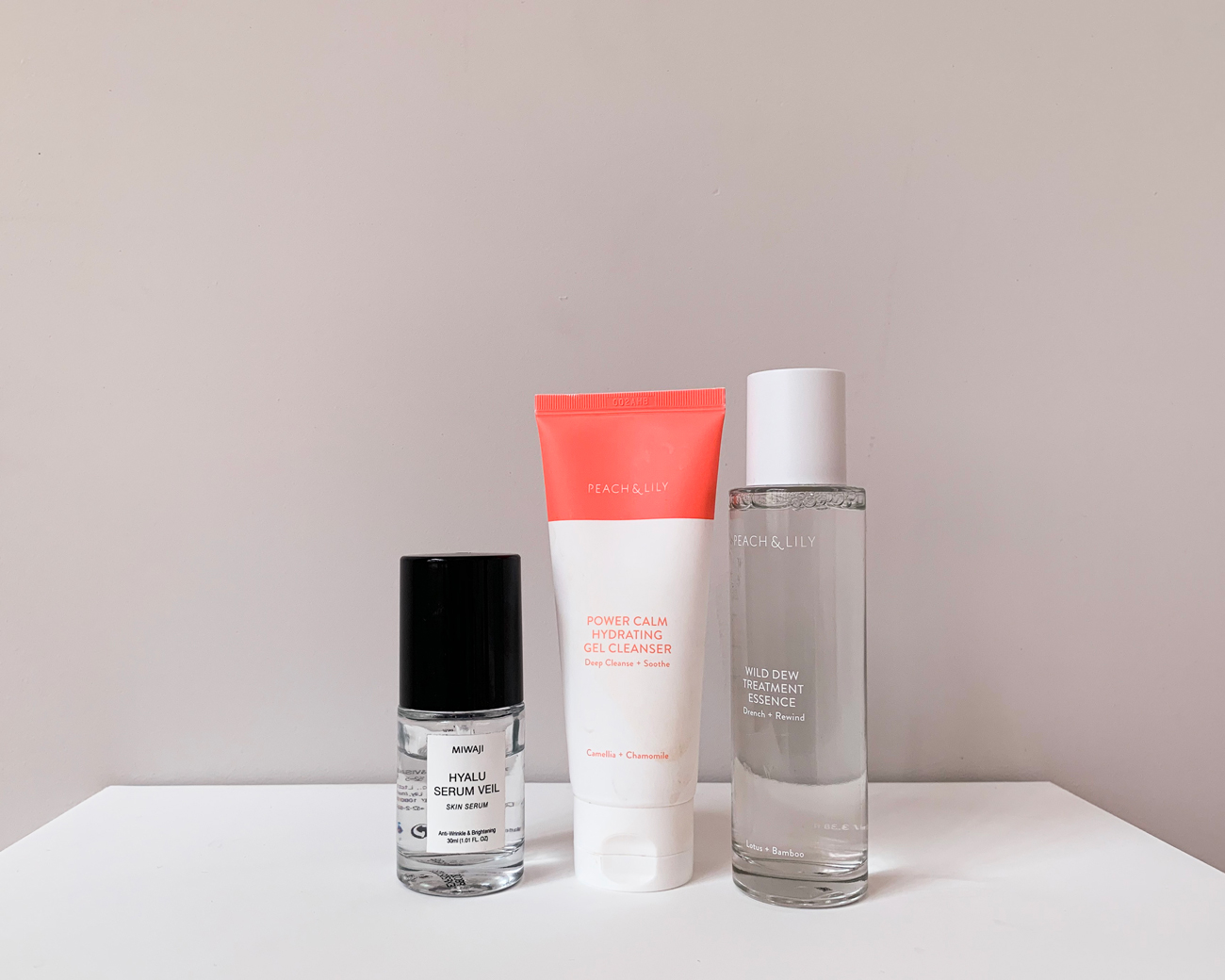
miwaji peach and lily essence serum

DRY SKIN

Dry skin is dry all year round. It’s normal for skin, in general, to dry out during cold winter months (or hot summer months in dry climates like Los Angeles’), but, if you have dry skin, your skin will feel dry (and, often, itchy or irritated) no matter the season or climate. This is typically because your skin does not produce enough oil on its own, so skin isn’t sufficiently hydrated or moisturized. This can happen for a variety of reasons, from genetics to skin conditions like eczema to improper cleansing techniques.

Sensitive skin and dry skin are often closely linked, though not all dry skin is sensitive (and not all sensitive skin is dry), and dry skin can be more prone to redness and irritation. It might feel itchy and tight. The main thing, unsurprisingly, is to make sure to hydrate dry skin deeply, avoiding harsh products and, even, extreme temperatures — a hot, steamy shower might be feel good when you’re standing in it, but heat will pull moisture from your skin, further drying out your already dry skin. You want to do all you can to hydrate skin deeply — and keep that hydration in.

miwaji hyalu serum veil

Products We Recommend:

Peach & Lily, Power Calm Hydrating Gel Cleanser

With dry skin, opt for a routine where you layer on hydration; start with cleansing. You don’t want a cleanser that will strip away all your natural oils and leave your skin feeling tight and dry because that can dehydrate your skin and harm your natural skin barrier. Look for a cleanser that works gently, removing oil, sweat, and other grime without removing hydration or moisture from skin. The Peach & Lily Power Calm Hydrating Gel Cleanser is a sulfate-free cleanser that sweeps away impurities (including light makeup!) while hydrating and soothing your skin.

Peach & Lily, Wild Dew Treatment Essence

An essence’s key function is to drench skin with hydration, prepping it to absorb all the beneficial ingredients in the products to follow, and we would particularly recommend dry skin types to make sure not to skip essence. Essences are specifically formulated to deliver hydration deep into skin and absorb quickly, and an essence might be the missing step in your routine, the product that helps really quench your dry skin’s thirst. Beyond hydration, essences also often come with beneficial secondary benefits — the Peach & Lily Wild Dew Treatment Essence, for example, also has brightening, nourishing, and protecting benefits thanks to niacinamide, radish leaf extract, and bamboo extract.

Miwaji, Hyalu Serum Veil

The Miwaji Hyalu Serum Veil was developed by a dermatologist in Korea who believes that hydration is one of the key pillars to skin health. The Hyalu Serum Veil contains short-, medium-, and long-chain hyaluronic acid molecules, which means that hyaluronic acid, a humectant able to hold a thousand times its weight in moisture,  is able to sink down into all layers of skin, hydrating deeply from within. The thing that makes the Hyalu Serum Veil truly unique, though, is the “veil” element — apply a second layer of Hyalu Serum Veil, and the product will form a protective veil over skin, locking in all that rich hydration.

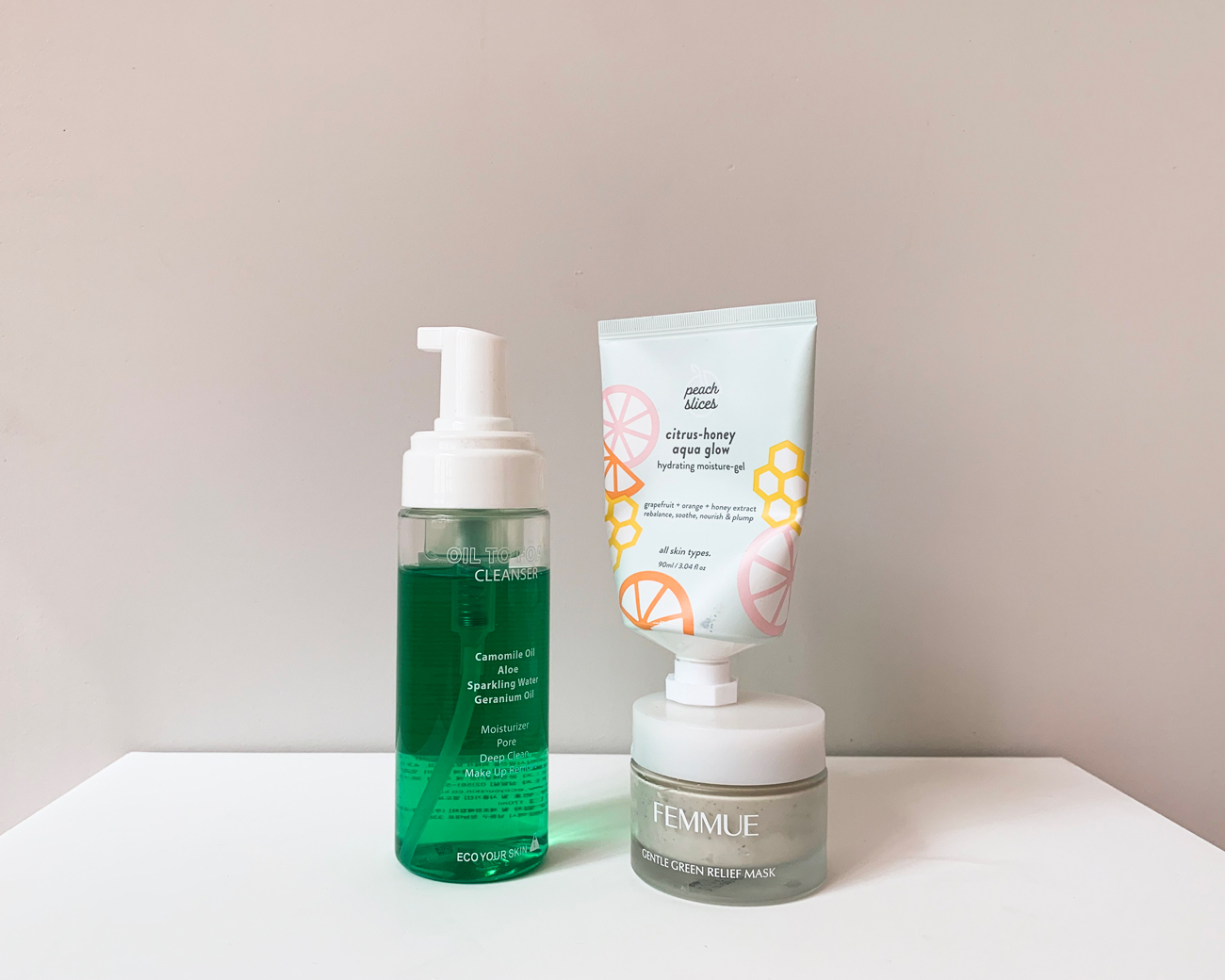
eco your skin peach slices femmue

OILY SKIN

If you have oily skin, you deal with shine all year round. It’s normal for skin to feel more oily during summer months, but you’re likely always blotting away shine during the day no matter the weather because your skin just overproduces oil. Oily skin is more prone to breakouts and blemishes because oil can collect in pores, trapping bacteria and causing breakouts, but it’s important to note that having oily skin doesn’t mean you’re dealing with acne all the time.

It’s crucial to remember that oily skin can also get dehydrated — or that dehydrating skin can actually lead to oily skin. When skin is dehydrated, our sebaceous glands (which produce oil) go into overdrive as a way to compensate, producing even more oil. That’s one reason proper cleansing is important, no matter your skin type; not only does it help protect your natural skin barrier, protecting your overall skin health, it also helps maintain the oil/hydration balance in your skin.

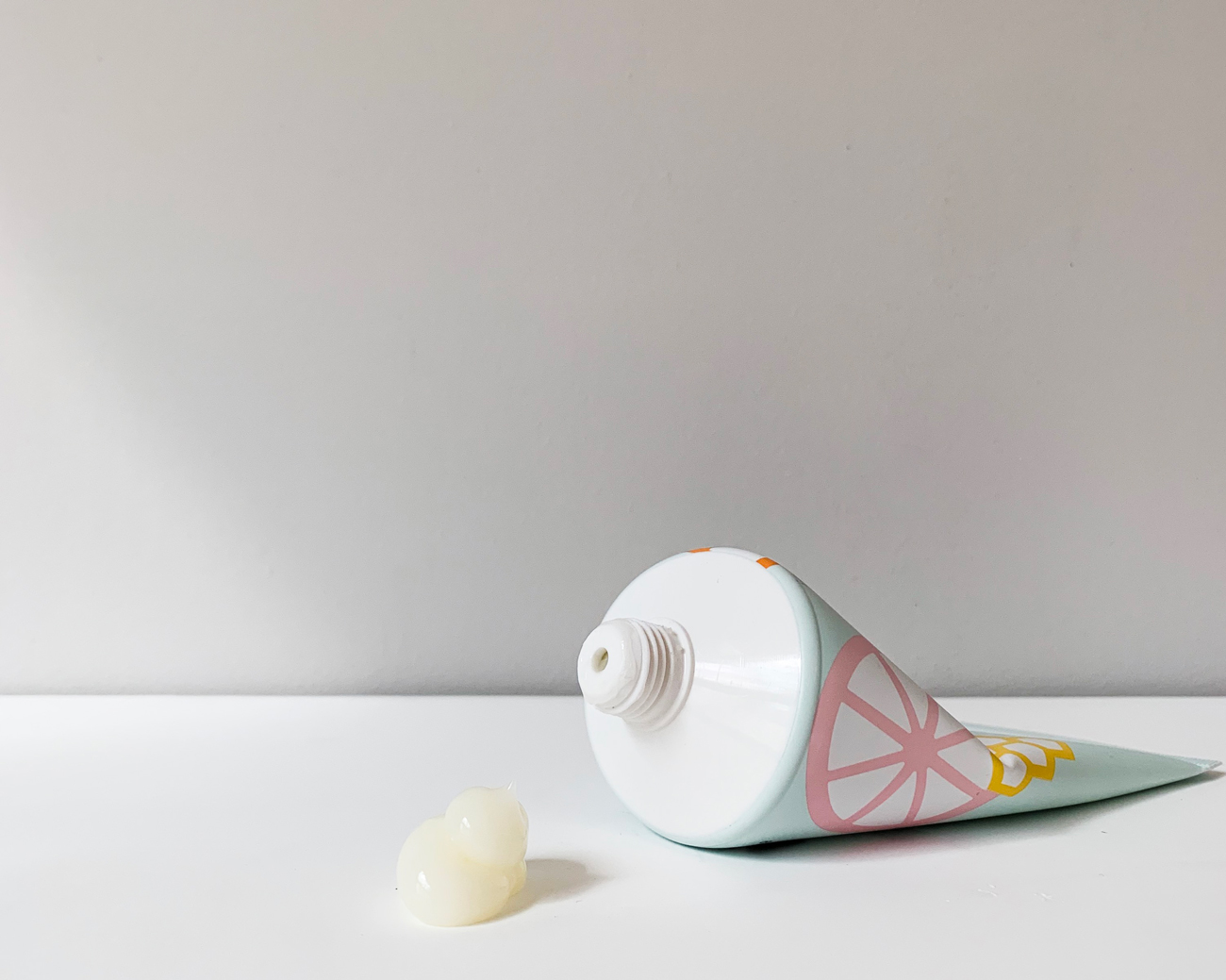
peach slices citrus honey aqua glow

Products We Recommend:

Eco Your Skin, Oil-to-Foam Cleanser

Oily skin types should also cleanse gently. It can be tempting to wash away all the oil because your skin naturally produces so much, but there are good oils that help balance your skin and sebum production. Also, stripping your skin dry can also damage your natural skin barrier, which can open your skin up to different negative effects, including dehydration. Cleansing gently but thoroughly can help keep your skin balanced and hydrated while sweeping away excess oil — we like Eco Your Skin’s Oil-to-Foam Cleanser, which acts as a oil-based and water-based cleanser in one. The oils help dissolve impurities, going deep into pores and clearing them out, while aloe and chamomile soothe skin. The Oil-to-Foam Cleanser is also sulfate-free!

Femmue, Gentle Green Relief Mask

Wash-off clay masks are great for really clearing out the oil, bacteria, and debris that can clog up pores, but kaolin clay can often be incredibly drying, leaving skin feeling clean but tight and uncomfortable. The Femmue Gentle Green Relief Mask, however, balances the pore-clearing abilities of kaolin clay with the hydrating power of glycerin and olive oil — and it goes a step further and even adds the gentlest exfoliation with green tea leaves. Unlike other clay masks, the Gentle Green Relief Mask doesn’t harden or, even, dry into a rigid shell, remaining soft and pliant (don’t worry; there’s absolutely no dripping or mess), so skin feels comfortable and hydrated. After you wash it off, skin feels bouncy and soft, pores beautifully cleared.

Peach Slices, Citrus-Honey Aqua Glow

It might be tempting to skip moisturizer because it feels like an additional layer to burden oily skin. Don’t skip your moisturizer, though! A moisturizer seals in hydration and helps reduce or slow down transepidermal water loss, and, as we said above, oily skin, too, has to be sufficiently hydrated to manage oil production.  Opt instead for a lightweight moisturizer that absorbs quickly into skin, instead of simply sitting on the surface and adding shine, like the Peach Slices Citrus-Honey Aqua Glow, a gel texture that sinks into skin without weighing it down.

That’s Part One! Tune in tomorrow for Part Two, where we talk about normal and combination skin!

The post Back to Basics: Skin Types, Part One. appeared first on Pibuu.

Back to Basics: Skin Types, Part One.
Originally posted here: https://www.pibuu.co/2019/05/13/back-basics-skin-types-part-one/

How to Use Niacinamide with an AHA or BHA in Your Skincare Routine for Smooth, Clear, Even-Toned Skin

How to Use Niacinamide with an AHA or BHA in Your Skincare Routine for Smooth, Clear, Even-Toned Skin syndicated from The Skincare Edit
May 13, 2019 at 10:59PM

What To Do When You Get Your First Wrinkle?

first wrinkle treatmentfirst wrinkle treatment

Where the heck do you come from?!

I literally woke up one morning with huge lines around my eyes. Ok, they weren’t huge huge. More like the faintest hint of crow’s feet.

But I was only 25. It was the first time I ever saw a wrinkle on my face. I totally freaked out. Can you blame me?

Sure, I knew this was gonna happen. When I turned 50. I didn’t expect to get my first wrinkle so soon. I guess I had all those Italian summers spent frolicking in the sun to thank for it…

Oh well, what’s done is done. You can’t go back. But you can use your skincare arsenal to nip those first wrinkle in the bud and keep new ones from making an appearance too soon. Here’s how:

When Is It Normal To Get Your First Wrinkle?

It totally depends on your gene pool and lifestyle.

Most people will see their first wrinkle appear around the big 3-0. But it’s not uncommon for that first wrinkle to creep up in your mid 20s either. This usually happens if you’ve spent too much time in the sun as a kid, were a devoted sunbed user in your teens, have started smoking at a young age or have fair skin.

I’ve never been a sun worshipper. I grew up in Senigallia, a small Italian town on the Adriatic coast. Yet, I can count on the fingers of one hand the times I went to the seaside as a child.

What can I say? I can’t stand the feeling of having sand all over me… and finding it everywhere around the house for a week afterwards.

What got me that first wrinkle was playing in my backyard under the torrid sun without sunscreen. My mum always warned me about wearing a hat to avoid a sunstroke, but she never mentioned wearing sunscreen would keep wrinkles at bay. These were the ’80s. No one knew better then.

Plus, I’m super pale. It’s not like I could count on my skin to provide some natural sun protection (FYI, dark skin has some in-built SPF, but it’s really low. You need sunscreen, too). So I got those first wrinkles sooner than I should have.

How To Tweak Your Skincare Routine To Deal With Your First Wrinkle

Don’t panict! No matter when you get that first wrinkles, there’s still a lot you can do to keep premature aging at bay:

blissoma phototonic facial sunscreen + daily moisturizer SPf 25blissoma phototonic facial sunscreen + daily moisturizer SPf 25

1. Wear Sunscreen Every Day, Rain Or Shine

I know what you’re thinking, “But Gio, I’ve already got a wrinkle! How can sunscreen help me get rid of it?”

It won’t. But it’ll keep it from coming back. Cos what’s the point of getting rid of a wrinkle if sun damage is gonna bring it back again? I can’t stress this enough: nothing on this list will help you if you don’t wear sunscreen every single day.

Rain or shine. UV rays are sneaky. They penetrate through clouds and windows and even get reflected on snow. It doesn’t matter where you are or what you’re doing – soaking up the sun on an exotic beach, driving your car to work, or walking the streets of gloomy London – you’re not safe until the sun comes down.

Put that sunscreen on!

Best Picks:

  • EltaMD UV Pure Broad-Spectrum SPF 47 ($25.00): available at Dermstore and Walmart
  • Shiseido Ultimate Sun Protection SPF 50 Sunscreen + WetForce For Sensitive Skin & Children ($42.00):available at  Nordstrom and Ulta
  • Skinceuticals Physical Fusion UV Defense SPF 50 ($34.00): available at Blue Mercury and Dermstore

Related: 6 Things To Look For When Buying Sunscreen

2. Moisturize, Moisturize, Moisturize

Let’s be honest here: it doesn’t matter what you throw at it, that wrinkle ain’t gonna disappear in a day.

While you’re waiting for retinol & co to make a dent in your wrinkles, use a moisturizer to make them look as small to the naked eye as possible.

Moisture works because it plumps up your skin, so that your fine lines and wrinkles look smaller. Plus, it gives your skin a healthy glow and helps the skin’s natural exfoliating process.

You can never go wrong by giving your skin more moisture. The easiest way to do this is with a hyaluronic acid serum: it draws and binds to the skin up to 1000 times its weight in water. You can’t get more moisture than that!

If your skin is on the dry side and doesn’t have a tendency to clog, you can also switch to a richer moisturizer with a more plumping effect.

Best Picks:

Related: If My Skin Is Perfectly Hydrated, Do I Need To Worry About Antiaging, Too?

medik8 retinol 6 TR 01medik8 retinol 6 TR 01

3. Add Vitamin A To Your Skincare Routine

Vitamin A is the only thing proven to reduce the appearance of wrinkles. It comes in many forms:

  • Hydroxypinacolone retiniate
  • Retinaldehyde
  • Retinoid acid (tretinoin)
  • Retinol
  • Retinyl Palmitate

They all fight wrinkles the same way. Studies show that Vitamin A:

  1. It hasantioxidant properties that destroy free radicals before they give you wrinkles and dark spots.
  2. It accelerates cellular turnover(i.e. the skin’s natural exfoliating process), reducing the appearance of dark spots and wrinkles.
  3. It boosts the production of collagen, the protein that keeps skin firm.

But some are more powerful than others. Retinoic acid is the most powerful – but also the most irritating. That’s why it’s available by prescription only.

I’m partial to retinol and retinaldehyde. They quickly convert to retinoic acid in the skin and are powerful enough to make a dent in your wrinkles. Expect to see results after a couple of months.

FYI, retinol is harsher than retinaldehyde and can cause dryness and irritation. You can minimise the risk of side effects by starting with a low concentration a couple of times a week and building up both dose and frequency gradually.

Best Picks:

Related: Which Form Of Vitamin A Is Best For You?

4. Use Collagen-Boosting Ingredients

If you’re serious about antiaging, you need to pump up the production of collagen, pronto.

Collagen is the protein that keeps your skin firm. When you’re young, your skin produces all the collagen it needs. But as soon as you turn 21, its production decreases by 1% a year. Until you hit menopause. Then, it depletes even faster.

Adding collagen back into your skin doesn’t work. Collagen molecules are too big to penetrate the skin. But even if you chop them down into tiny pieces that can get through the skin’s barrier, there’s no way they can attach themselves to collagen-making cells to firm skin.

Your best bet is to use ingredients that trigger your skin to produce more collagen on it own. Here are the best at the job:

  1. Vitamin C: A powerful antioxidant that boosts collagen production, brightens the skintone and fights free radicals
  2. Amino acids: L-lysinel-proline, and l-threonine trick cells into producing more collagen
  3. Copper peptides:  They boost the production of collagen, elastin, and other components of the skin’s natural barrier, have anti-inflammatory properties and help heal wounds. 
  4. Niacinamide: A form of Vitamin B3 that boosts collagen, hydrates skin, brightens the skintone, soothes irritations and helps you treat acne.

FYI, you don’t need to use all these ingredients together. You can just pick and choose what works best for your skin. Or look for products that use a combination of them. They tend to be pricier but are totally worth the splurge.

P.S. It’s a myth you can’t use Vitamin C with niaciamide. I’ve debunked it here.

P.P.S. Be patient. Nothing works overnight. Boosting collagen is a complicated process and it can take months before these actives can make a significant impact.

Best Picks:

Related: 8 Ways To Rebuild Lost Collagen For Firmer, Younger-Looking Skin

paula's choice 10% niacinamide booster 01paula's choice 10% niacinamide booster 01

5. Accept You’re Getting Older

Look, I’m all for using skincare, fillers and whatnot to slow down the aging process. But you can’t keep wrinkles off your face forever. They come with the territory as you get older. And who says that’s a bad thing?

Don’t ever let a wrinkle – or a few extra pounds, thin lips or lack of thigh gap – define your worth as a human being or determine what you can do in your life.

You’re beautiful. You’re kind. You’re loving. You have a great sense of humour. You have skills and gifts no one else on this planet has. That’s what makes you YOU. What makes you special.

Accept yourself for who you are. Love every part of you. Live your life to the full and work hard to make your dreams come true. You’re worth it – wrinkles or no wrinkles.

Related:13 Things To Remember When You Feel You’re Not Pretty Enough

The Bottom Line

Don’t freak out over your first wrinkle. Getting older is a normal part of life. Just slather on sunscreen every morning, fill your skincare routine with collagen-boosting ingredients and relax. You’re doing everything you can to slow down the aging process – now focus on yourself and living your life to the full.

How are you treating your first wrinkles? Let me know in the comments below.

Affiliate links.

Take The Guesswork Out Of Skincare Shopping

Screenshot from 2017 04 30 11 51 35Screenshot from 2017 04 30 11 51 35

Get access to the “Pro Skincare Library” for exclusive skincare routine “cheat sheets” and tricks to help you navigate the beauty aisles jungle like a pro and immediately know what to pick off the shelves to achieve the gorgeous skin of your dreams – even when you’re drowning in an endless sea of skincare products.

Success! Now check your email to confirm your subscription and get access to the skin library.

What To Do When You Get Your First Wrinkle? syndicated from Beautiful With Brains
May 13, 2019 at 08:19AM

Tips on Using Facebook as a Business Tool from a Reluctant User of Facebook

I don’t often talk about ‘the marketing side’ of skincare on this blog, but have been getting an increasing amount of questions about branding and marketing – not least from folks who book consultations with me.

Today, I’m going to share a few tips with you about one platform I admittedly have a less than positive relationship with: Facebook.

To put it very diplomatically, I am a reluctant user of Facebook.

Read more »

Tips on Using Facebook as a Business Tool from a Reluctant User of Facebook syndicated from LisaLise Blog – Natural Skin Care
May 13, 2019 at 03:00AM

5 Myths About Mineral Oil You Should Stop Believing Now

You know how it goes. A jealous person spreads a juicy rumour. Everyone believes it because it’s so scary, who wants to take the risk if it turns out to be true?

Then, the truth comes out. But, it’s too late. It doesn’t matter what the maligned guy says or does to prove his innocence, everyone’s mind is already made up against him.

That’s what happened to mineral oil. The mere association with petroleum was enough to taint him with a bad brush for good. It doesn’t matter that mineral oil doesn’t resemble petroleum in the least or that the two don’t hang out together anymore. Mud sticks.

This may all be futile, but I feel so sorry for mineral oil, I’m going to stick up for it and do my best to defend its reputation. Here’s why mineral oil doesn’t deserve its bad rep:

What is mineral oil?

Before I get on the stand and start defending mineral oil, I’ll better tell you what it is.

Mineral oil is a colourless and odourless oil derived from petroleum (which, by the way, is a NATURAL substance derived from Mother Earth – just saying).

There are several grades of mineral oil, but only one can be used in cosmetics. It’s called Cosmetic Grade Mineral Oil. Obvs.

To turn into Cosmetic Grade Mineral Oil, petroleum must undergo a strict purifying process that removes all toxins and other impurities from it. At the end of this process, CGMO doesn’t resemble petroleum anymore.

Cosmetic Grade Mineral Oil is safe. Period.

Next time you hear someone say that slathering mineral oil on your skin is the same as slathering petroleum on your skin, you know they have NO idea what they’re talking about.

Why is mineral oil used in beauty products?

  1. It’s cheap.
  2. It rarely causes irritations or allergies.
  3. It’s super moisturizing.

In fact, derms think it’s the king of moisturizers. The most moisturizing of all moisturizers (I think shea butter gives it a good run for its money, but mineral oil is one of the best).

Mineral oil creates a barrier on the skin that prevents water loss. Instead, that moisture stays deep into your skin, making it softer and suppler.

Now that we know what we’re dealing with, let’s bust some myths about mineral oil, shall we?

Myth #1: Does Mineral Oil clog pores?

I’ve just told you that mineral oil works by creating a protective barrier on the skin. So, it makes sense that it suffocates skin and clog pores, right?

Not so quickly.

  1. Skin doesn’t breathe. It perspires. That’s an important difference because if something doesn’t breathe, you can’t suffocate it.
  2. Cosmetic Grade Mineral Oil doesn’t clog pores, either.  It’s Industrial Mineral Oil that’s comedogenic. But, that’s not used in cosmetics, so you don’t have to worry about it.

Wait, there’s a catch.

CGMO itself isn’t comedogenic. But, the barrier it creates can trap other comedogenic ingredients into the skin, and those can cause breakouts.

If you’re prone to acne or breakouts, make sure none of your skincare products have comedogenic ingredients before slathering on mineral oil.

Myth #2: Does Mineral Oil Stop Other Ingredients From Getting Into The Skin?

Again, this makes sense: if mineral oil creates a barrier on the skin, then retinol, vitamin C and all the other goodies in your lotions and potions won’t be able to get through.

Yet, they do.

Mineral oil is so great at keeping moisture into the skin because the barrier it forms is hydrophobic. But, other ingredients can still get through.

Science confirms it. One study measured the diffusion rate of sulphathiazole when used in cold creams with mineral oil. These cold creams had various levels of mineral oil. Some contained as low as 8% while others a whopping 83%!

In both cases, suphathiazole diffused through the cream into your skin. Of course, it did this faster when there was only a little mineral oil in the cream. But mineral oil is rarely used at high doses so it’s cool.

Myth #3: Does Mineral Oil Prevent Collagen From Penetrating The Skin?

This is closely related to myth #2, but I thought it deserved its own paragraph, anyway. Two reasons:

  1. Collagen is the ingredient that always comes up when talking about mineral oil and its “impenetrable” barrier.
  2. Collagen DOESN’T penetrate the skin anyway!

Collagen is a huge molecule. So huge, it can’t get through the skin anyway. All it does it sitting on its surface and making it soft and smooth.

Stop blaming mineral oil for collagen’s shortcomings. It’s not fair.

Myth #4: Does Mineral Oil Cause Cancer?

I see how this spread. Industrial Mineral Oil contains toxins that may cause cancer. But, that will never find its way into your creams and serums.

As I’ve mentioned before, only Cosmetic Grade Mineral Oil can be used in cosmetics. That’s highly purified. It has no toxins that could cause cancer, or any other disease for that matter.

I’ve scoured all of Pubmed and couldn’t find a single study that links CGMO to cancer. Not even a tiny little one.

Myth #5: Does Mineral Oil Dry Out Skin And Make It Age Faster?

I have no idea where this came from, seriously.

Mineral oil creates a barrier on the skin that locks moisture in. That means its moisturizes skin. How can something that moisturizes skin dry it out? Makes no sense.

As for it making skin age faster, again, how? Have you noticed that people who make these claims never tell you how mineral oil does this? They can’t because it doesn’t.

There’s nothing in mineral oil that could make you age faster. Next time someone utters such nonsense, ask for proof or tell them to shut up.

The Real Reason Not To Use Mineral Oil

Mineral oil critics do have a point, though. Mineral oil only moisturizes skin. That’s it.

Other oils, such as argan, rosehip or evening primrose, are enriched with antioxidants that fight premature aging and soothe irritations. Mineral oil can’t do any of these. If you’re looking for a multi-tasking oil, mineral oil isn’t the one for you.

The other side of the coin? Its simplicity makes mineral oil wonderful for sensitive skin. While most oils (like those I’ve just mentioned) are made up of tens of thousands of compounds, mineral oil is made in a sterile lab with only a handul of compounds.

In other words, mineral oil won’t irritate your skin. Something in natural oils (usually one of their fragrant components) might.

I usually use mineral oil to remove my makeup and other oils, like olive and rosehip, to moisturize and prevent premature aging. But, my skin isn’t sensitive. If it were, I would stick to mineral oil.

Should You Use Mineral Oil?

That depends.

You should if:

  • You have dry skin that can’t seem to retain moisture.
  • You have sensitive skin that’s irritated easily.

You shouldn’t if:

  • You have acne-prone skin (it may aggravate breakouts)
  • You’re looking for an oil with both moisturizing and anti-aging properties.

Is mineral oil really bad for skin?

Nope. Mineral oil is super moisturizing, very gentle even on sensitive skin and really cheap. Just don’t expect it to do anything more than moisturizing your skin.

Do you use mineral oil? Share your experience in the comments below.

Take The Guesswork Out Of Skincare Shopping

Screenshot from 2017 04 30 11 51 35Screenshot from 2017 04 30 11 51 35

Get access to the “Pro Skincare Library” for exclusive skincare routine “cheat sheets” and tricks to help you navigate the beauty aisles jungle like a pro and immediately know what to pick off the shelves to achieve the gorgeous skin of your dreams – even when you’re drowning in an endless sea of skincare products.

Success! Now check your email to confirm your subscription and get access to the skin library.

5 Myths About Mineral Oil You Should Stop Believing Now syndicated from Beautiful With Brains
May 12, 2019 at 04:50AM

What is the Oil Cleansing Method (OCM)?

oil cleansing method 101oil cleansing method 101

Oil cleansing method? Say what?!

I can’t believe people cleanse their skin with oils now. That’s nuts. Like, my t-zone is already as shiny as a frying pan, and you want me to add even more oil?!

To say that I was sceptical about the oil cleansing method would be an understatement. But when I summoned enough courage to try it, something unexpected happened.

My skin started glowing. It became silky soft to the touch. And, nope there was not a single pimple in sight. 

Instant convert right there. The oil cleansing method IS a game changer. If you haven’t taken the plunge yet, here’s what you should make the switch right now:

Want clear, healthy, glowy skin? Try the oil cleansing method. It’s a total gamechanger. Click to Tweet

What the heck is the oil cleansing method, and how does it work?

The oil cleansing method (OCM) uses natural oils to cleanse your skin.

It works because like attracts like. Basically, your makeup has oil. Your face produces oil. The impurities comfortably lodged in your pores are oily. Castor oil and co act like a magnet, attracting all that oil-based gunk and taking it on a journey down the drain.

FYI, oil cleansing ain’t nothing new. If you take a quick look at your fave cleanser, chances are a few oils have sneaked their way in there. That’s what makes them work so well.

In these cleansers, oils are joined by surfactants, a group of ingredients that helps them mix with water to remove those impurities faster. Surfactants are also the reason these cleansers (unlike natural oils) leave no greasy residue behind.

If you’re already using an oil-based cleanser, you’re already on the oil cleansing method bandwagon. Feel free to stick with it. But if you want to go down the natural route or make your own DIY cleanser, keep reading on. I’ll show you how to do it:

Why Should I Switch To The Oil Cleansing Method?

Several reasons:

  1. It removes even the most stubborn of makeup effortlessly: that’s oil-based, and like attracts like, remember?
  2. It doesn’t dry out the skin: you’re replenishing oil as you’re stripping it away.
  3. Oils are moisturizing: they leave your skin so soft, and you may find, you don’t need a moisturizer afterwards.

Sounds awesome! What do I need?

Not much:

  • Some oils.
  • Warm towel or washcloth.

That’s it, really.

Wait, rewind. What oils do I need? There are so many!

I know! And they all have different properties. Some cleanse better than others. A few are comedogenic, others aren’t. Some can even irritate your skin, while others are gentle enough for the most sensitive of skin types.

The trick is to figure out what the best combination for your skin type is. But how the heck do you do that?! Experiment. Try a few combinations and see what your skin likes best.

Related: How To Determine Your Skin Type + Free Test

Here are a few oils that are good for the oil cleansing method:

Argan Oil

Pros:

  • Cleanses skin well.
  • Moisturizing.
  • Works well for all skin types.

Cons:

Castor oil

Pros:

  • It cleanses skin very well – it can remove anything!
  • It is rich in ricinoleic acid, which is very moisturizing.
  • It has antibacterial properties, so can help treat the symptoms of acne (but not the cause – it can’t kill P. acnes).
  • Works for all skin types.

Cons:

  • Castor oil can be drying, so it needs to be diluted with other oils.

Coconut Oil

Pros:

  • Cleanses skin well.
  • Very moisturizing.
  • Works well for dry skin.

Cons:

Jojoba Oil

Pros:

  • Cleanses skin well.
  • Moisturizing.
  • Works for all skin types, especially oily.

Cons:

  • It contains wax esters, which make it feel a lot like sebum – some people just don’t like that feeling.

Mineral Oil

Pros:

  • It cleanses skin very well – it can remove anything!
  • It is very moisturizing.
  • It’s very gentle, and doesn’t cause irritations.
  • Works best for sensitive and dry skin types.

Cons:

  • It’s very occlusive, so it can create a barrier that prevents the skincare products you use next to penetrate the skin well.
  • If you’re acne-prone, it may cause breakouts.
  • Doesn’t have any antioxidants that can nourish skin.

Olive Oil

Pros:

  • Cleanses skin well.
  • Very moisturizing.
  • Works best for dry skin.

Cons:

  • May cause breakouts in some people.
  • Most types of olive oil on the market aren’t pure, and the extra stuff can cause irritations. Choose yours wisely!

Sunflower Oil

Pros:

  • Cleanses skin well.
  • It’s very lightweight and less occlusive than other oils.
  • It’s moisturizing.
  • Works well for all skin types.

Cons:

  • I have no complaints re this one.

Sweet Almond Oil

Pros:

  • Cleanses skin well.
  • Moisturizing.
  • Works well for all skin types, especially oily.

Cons:

  • I have no complaints about this one, either.

PRO TIP

Don’t even think of buying your cleansing oil at the supermarket. The oils you use to cook won’t do. They usually contain extra stuff that you don’t want on your face. Instead, get yourself to a trusted natural shop and purchase the pure, organic, cold-pressed, kind of oil. If you’re going for olive oil, make sure it’s the extra virgin kind. If any oil is not cold-pressed or extra virgin, it means it’s been refined and has lost all its antioxidants and good nutrients.

So you’re read the list but don’t have the faintest idea where to start to create your own oil cleanser? I’ve got you covered:

Two Good Combinations To Start With

As a good Italian, I’m going to recommend you start experimenting with olive oil. I use it for everything and can’t sing its praises enough. I usually mix it with castor oil. It’s so versatile.

Now you’ve got your oils, let’s talk ratios. They vary depending on your skin type:

If you have oily skin, mix

  • 2/3 castor oil
  • 1/3 extra virgin olive oil

If you have dry skin, mix

  • 2/3 extra virgin olive oil
  • 1/3 castor oil

This is just the most basic recipe to get you started. You can follow it to a T. Or add a third oil to the mix. Or use completely different oils.

Start with the basics. When you’re comfortable, you can experiment with other oils and find up the best combination for your skin.

But if the recipes above are too basic for you, click on the image below to subscribe to my newsletter and receive my fave “Oil Cleansing Method Recipes.”

Free Oil Cleansing Recipes

Sign up to the newsletter to receive the best oil cleansing recipes for ALL skin types!

Success! Check your email to confirm your subscription and I’ll send you the best OCM recipes for all skin types straight away.

So, how do I use the Oil Cleansing Method?

This may be obvious, but you don’t need to use the oil cleansing method in the morning. Unless you went to sleep with your makeup on. *tut tut*.

The oil cleansing method works best for removing stubborn makeup and sunscreen, not the few impurities that have settled on your skin during the night. Don’t waste your oils!

So, how do you do it?

Step 1: Mix the oils together, either in the palm of your hand or in a small bottle.
Step 2: Massage the mixture on your dry face for a few minutes to remove makeup and other impurities.
Step 3: Wet a washcloth with warm water and gently wipe your face with it.
Step 4: Repeat step 3 until you’ve wiped all the excess oil from your skin.
Step 5 (optional): Follow up with your regular cleanser to remove the oily residue left behind by the oil.

That’s it. Easy peasy, right?

PRO TIP

Wash your washcloth between uses. You don’t want to cleanse your skin with a dirty washcloth. You’ll just put all that crap back onto your face. Oh, and let the washcloth dry properly after every use. Humid washcloths are playgrounds for bacteria.

Great! But, are you sure there are no side effects?

Well, there are two or three…

  • It can take time to find the right combination (and ratio) of oils for your skin type. Until you do, you may experience breakouts and, if your skin is sensitive, even irritation.
  • It’s more time-consuming than regular cleansing (but, also more effective).
  • You have to wash your washcloth often – that’s the boring part.

But, when you finally get the right combination of oils, all the hassle is more than worth it. Trust me on this one.

The Bottom Line

The oil cleansing method is time-consuming, but it’s a total game changer. It cleanses skin, it moisturizes it, and even makes it glow. Go on, give it a try.

Have you tried the oil cleansing method? Share your experience in the comments below.

Take The Guesswork Out Of Skincare Shopping

Screenshot from 2017 04 30 11 51 35Screenshot from 2017 04 30 11 51 35

Get access to the “Pro Skincare Library” for exclusive skincare routine “cheat sheets” and tricks to help you navigate the beauty aisles jungle like a pro and immediately know what to pick off the shelves to achieve the gorgeous skin of your dreams – even when you’re drowning in an endless sea of skincare products.

Success! Now check your email to confirm your subscription and get access to the skin library.

What is the Oil Cleansing Method (OCM)? syndicated from Beautiful With Brains
May 11, 2019 at 04:52AM

Happy Mother’s Day

 We all have our own stories about our mothers. To celebrate Mother’s Day, we’d love to hear your stories about your mother, so leave us a note below with your favorite story about your mom! 

Here’s mine.

My mother is my hero — and she’s also my skincare hero.

 I have severe eczema, and, when I was a small child, my mother did everything she could to help manage my eczema. She took me to all the doctors, concocted bleach baths (as recommended by the National Eczema Association!), and tried as many different products and methods she could find to help my bleeding, irritated, rashy skin. She never gave up. And she set me down a path of curiosity about my skin that eventually led to esthetician school, where I was empowered to dig deep into the science of skin to truly take control of my flare-ups. I’ll forever be grateful to my mom for establishing that skincare is a special kind of self-care.

My mother has beautiful skin — and even at age 65 (she’s given me permission to share her age!), without a single shot of Botox or fillers, her skin is radiant and vibrant. She’s the epitome of practicing what she preaches. And I’m lucky to see how years of consistent skin(self)care pays off.

I sat down with my mom to get all her latest and greatest skincare secrets, and I’m so excited to be able to share it with you! Please enjoy our chat, and I want to take a moment to say a big thank you to all the mothers out there! Thank you for your love and wisdom and sacrifices! We love you!


As always, cheers to radiance!


Happy Mother’s Day
Originally posted here: https://www.peachandlily.com/blogs/news/happy-mothers-day